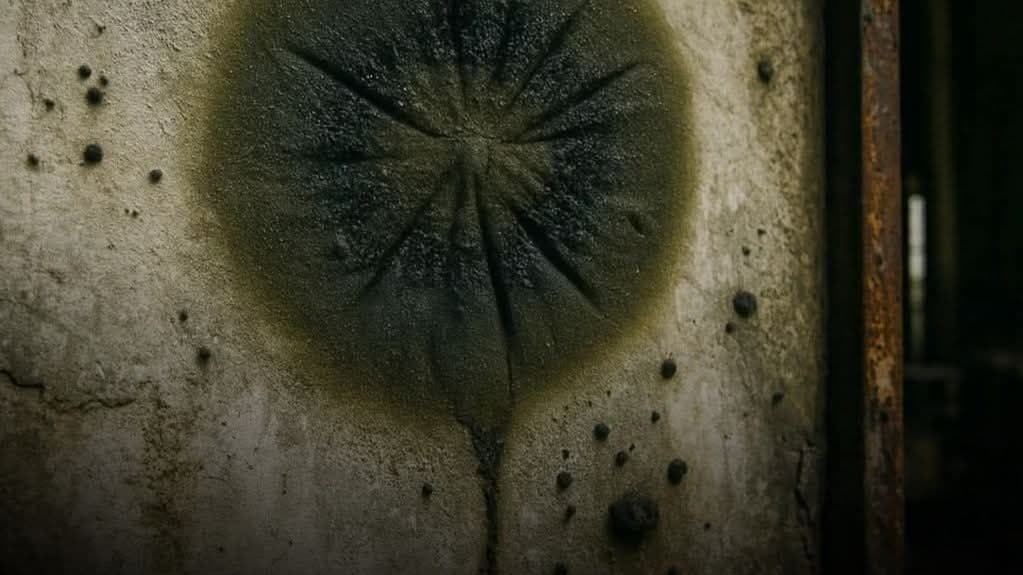
On 26 April 1986, the fourth reactor at Chernobyl exploded. Cities emptied, the zone was closed, people left the place, and for many years nobody returned. But one resident stayed, one for whom this place seemed to be no trouble at all. In the ruins of the reactor, scientists found a black, velvety fungus on the walls, on the ceilings and inside the building as well. It was spread out there as if it were its home.
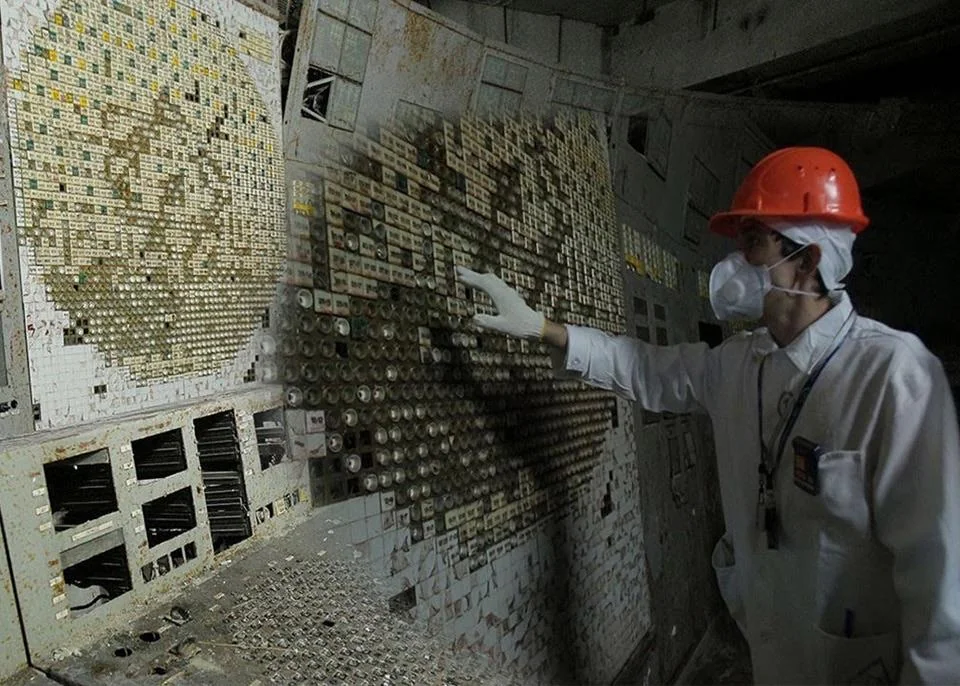
The mushroom that feeds on radiation
In the 1990s, a team led by the Ukrainian microbiologist Nelli Zhdanova searched the area around the reactor and its ruins to see whether any life existed there. It turned out that a whole community of fungi lived there, about 37 species. Many of them were dark or black. One species was particularly dominant, and samples were taken even from heavily contaminated places: Cladosporium sphaerospermum. To this day it remains the main hero of this story.
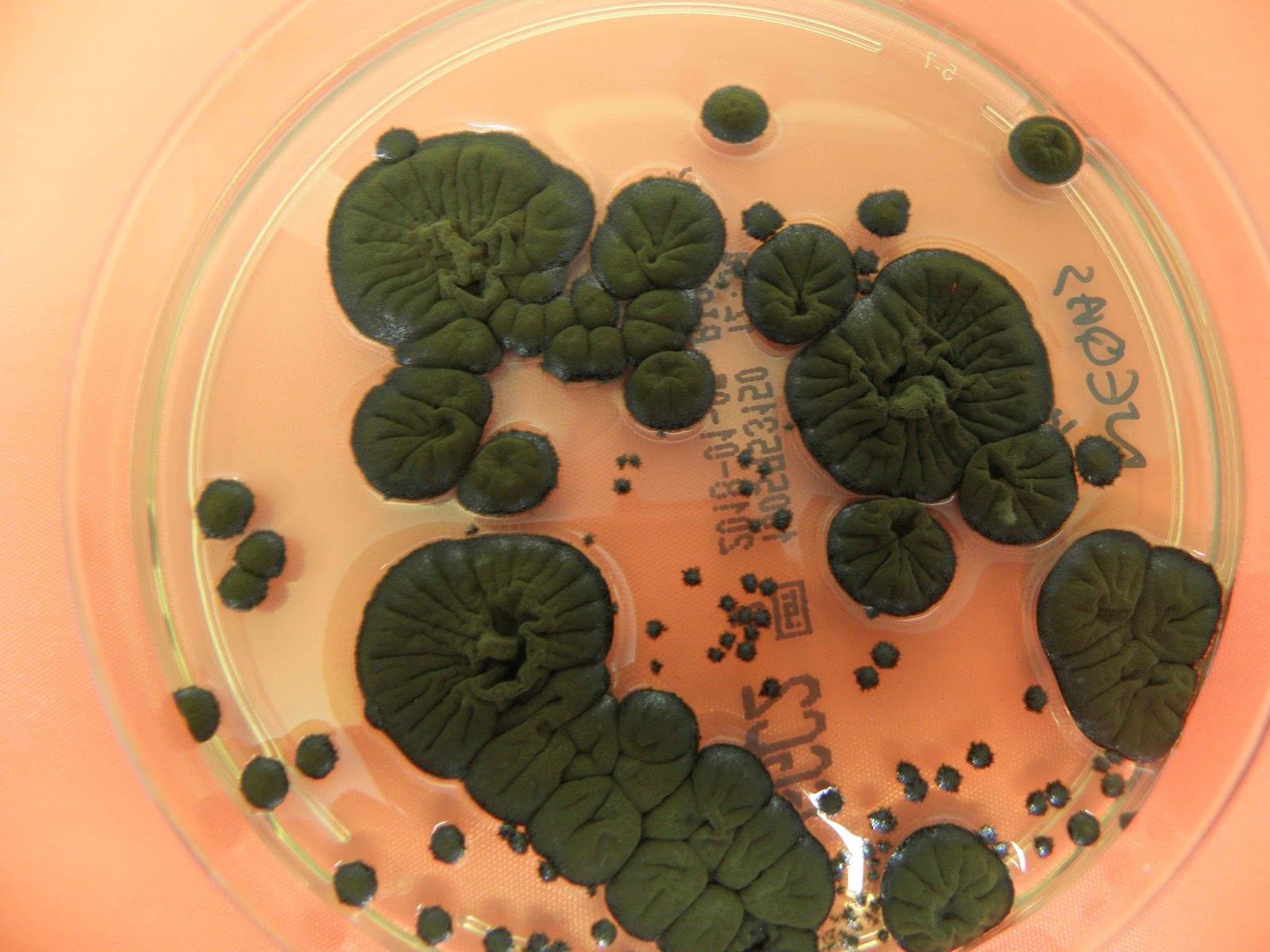 In the laboratory, Zhdanova's team placed fungi brought from the reactor near radioactive particles. It turned out that the fungal threads grew toward the particles. This phenomenon was named "radiotropism."
The black color of these fungi comes from melanin. This is the same family of pigments that gives color to human skin, hair and eyes.
Melanin absorbs light and other radiation, so for the fungus it is a kind of shield.
In 2007, a team led by Ekaterina Dadachova showed something even stranger. When melanin was exposed to radiation, its electronic properties changed. Melanin-containing fungi grew faster under very high radiation (about 500 times the background level), while "albino" fungi bred without melanin did not behave this way.
So some scientists suggest: perhaps melanin does for the fungus what chlorophyll does for a plant. A plant turns light into energy; the fungus, perhaps, turns radiation into energy. This idea is called "radiosynthesis." For now it is a hypothesis, not a fully proven fact.
Sent into space too
There is plenty of radiation in space as well, and it is one of astronauts' main problems. So in late 2018, a sample of the Chernobyl fungus, Cladosporium sphaerospermum, was sent to the International Space Station.
The experiment lasted about 30 days. In space, the fungus grew about 20% better than the one grown on Earth. Beneath the fungus's roughly 1.7-millimeter "carpet," radiation was also slightly lower, by about 2%, than in the environment without fungus.
This was a small experiment, but the idea is big: perhaps one day people traveling to Mars will have a protective layer of fungus grown to shield them from radiation. However, this still needs a lot more research.

The Chernobyl black fungus reminds us that life often appears where you expect it least. It shows once again that nature is far broader than we are and keeps existing even after humans.
Sources
• Dadachova et al., Ionizing Radiation Changes the Electronic Properties of Melanin and Enhances the Growth of Melanized Fungi, PLoS ONE, 2007
• David O'Connell, Radiation junkies, Nature Reviews Microbiology, 2007
• Radiotrophic Fungi, Kenyon College MicrobeWiki
• Radiotrophic fungus, Wikipedia
• Eating gamma radiation for breakfast, The Biologist
• ScienceAlert, The Chernobyl black fungus
• Averesch et al., Cultivation of the Dematiaceous Fungus Cladosporium sphaerospermum Aboard the International Space Station and Effects of Ionizing Radiation, Frontiers in Microbiology, 2022
• Shunk et al., A Self-Replicating Radiation-Shield for Human Deep-Space Exploration, bioRxiv, 2020
This text was written in our own words, based on these sources. It is a popular-science overview, not health advice.